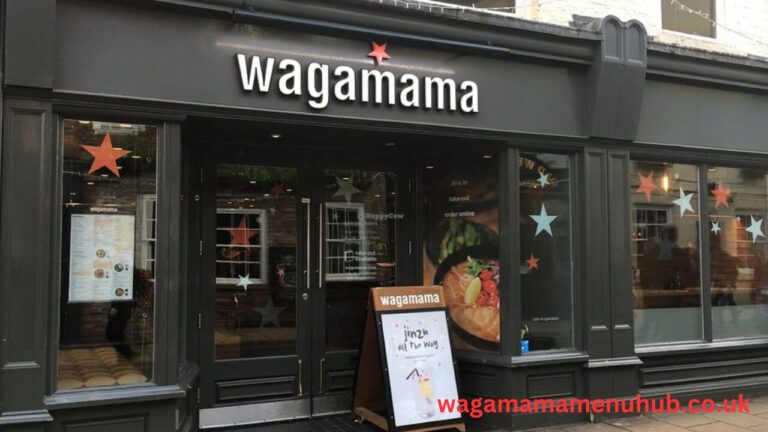
Wagamama Nutrition Menu UK 2026
Wagamama Nutrition Menu UK 2026: Complete Calorie Guide & Healthy Picks
Understanding the nutritional content of the food you eat is essential for maintaining a balanced diet. At Wagamama, you can enjoy a variety of dishes while being informed about their nutritional values. This guide will explore the Wagamama nutrition menu and provide insights into making healthier dining choices.
Wagamama Nutrition Menu UK 2024: Complete Calorie Guide & Healthy Picks
Meta Title: Wagamama Nutrition Menu UK 2024 | Full Calorie Guide
Meta Description: Discover Wagamama’s nutrition info for 2024. From katsu curry to ramen bowls, find calories, protein & healthy options. Make better choices today.
Introduction
Craving that firecracker chicken but worried about the calories? You’re not alone. Thousands search for Wagamama nutrition menu details every month, yet finding clear information feels like hunting for a needle in a haystack.
This guide breaks down every dish, from gyoza to yaki soba, with exact calorie counts and macros. Whether you’re tracking protein, watching carbs, or just curious about what’s in your favourite bowl, you’ll find straight answers here.
No guesswork. No generic advice. Just the facts you need to enjoy your meal without the guilt.
Understanding Wagamama’s Nutritional Approach
Wagamama built its reputation on fresh, pan-Asian dishes cooked to order. Unlike typical fast food chains, their kitchen prepares meals from scratch, which means nutrition varies based on ingredients and portion sizes.
The restaurant chain sources vegetables daily and uses minimal processed foods. Their noodle dishes contain rice or wheat noodles, while protein options range from chicken to tofu. Most dishes arrive with fresh garnishes like coriander, spring onions, and chilli.
Each bowl serves one person, though portion sizes lean generous. A standard ramen contains roughly 600-900 calories, while curry dishes push higher at 800-1,200 calories per serving.
The Wagamama nutrition menu caters to various dietary needs. Vegetarian options include yasai katsu curry and yasai yaki soba. Vegan dishes swap dairy and eggs for plant alternatives. Gluten-free choices use rice noodles instead of wheat.
Calorie Breakdown: Popular Wagamama Dishes
Ramen Bowls
Chicken ramen sits at 650 calories with 35g protein. The broth contains soy sauce, miso, and chicken stock, adding sodium but keeping fat moderate at 18g.
Chilli chicken ramen jumps to 720 calories. The extra chilli oil and spices boost the calorie count while delivering 38g protein. Carbohydrates remain similar at 85g.
Prawn ramen offers a lighter option at 580 calories. With 28g protein and 12g fat, it works well for those watching their intake. The clear broth contains fewer calories than creamy alternatives.
Curry Dishes
Chicken katsu curry dominates as the most ordered item. One serving contains 1,050 calories, 42g protein, and 38g fat. The breaded chicken and curry sauce drive up these numbers.
Yasai katsu curry (vegetarian) drops to 920 calories. Sweet potato, aubergine, and peppers replace meat, cutting protein to 18g while maintaining 32g fat from the breading.
Vegatsu curry with tofu sits at 850 calories. The tofu provides 22g protein with less fat than breaded options at 24g.
Noodle Dishes
Chicken yaki soba reaches 780 calories. Stir-fried soba noodles, vegetables, and chicken breast create a balanced meal with 40g protein and 22g fat.
Yasai yaki soba (vegetarian) contains 680 calories. Removing meat cuts protein to 20g, though the noodle base keeps carbs high at 95g.
Pad thai with prawns delivers 720 calories. Rice noodles, tamarind sauce, and prawns combine for 32g protein and 18g fat.
Donburi Bowls
Teriyaki chicken donburi provides 650 calories over rice. The grilled chicken and sticky sauce offer 45g protein with moderate fat at 15g.
Grilled duck donburi climbs to 820 calories. Duck contains more fat than chicken, pushing the total to 28g while delivering 38g protein.
Sides and Starters
Chicken gyoza (5 pieces) adds 280 calories. Each dumpling contains roughly 56 calories with 12g protein total.
Edamame serves as the lightest starter at 120 calories. The steamed soybeans provide 11g protein with just 5g fat.
Bang bang cauliflower reaches 380 calories. The fried coating and spicy sauce increase fat to 24g per portion.
Vegetable gyoza (5 pieces) contains 240 calories. Less protein than chicken versions at 8g, but lower fat at 10g.
High-Protein Options for Fitness Goals
Building muscle or maintaining protein intake? The Wagamama nutrition menu offers dishes that deliver without excessive calories.
Teriyaki chicken donburi leads with 45g protein at 650 calories. The grilled preparation keeps fat low while rice provides energy for workouts.
Chicken ramen offers 35g protein with a warming broth. The 650-calorie count leaves room for sides or dessert in daily macros.
Grilled chicken hirata steamed buns contain 320 calories across two buns. With 28g protein, they work as a post-workout snack.
Firecracker chicken delivers 38g protein at 740 calories. The spicy sauce adds flavour without drastically increasing fat content.
For plant-based protein, kare burosu ramen with tofu provides 24g protein at 580 calories. The broth contains miso and vegetables for added nutrients.
Low-Calorie Choices Without Compromise
Watching calories doesn’t mean skipping your favourite Asian restaurant. Several dishes from the Wagamama nutrition menu satisfy hunger while staying under 600 calories.
Prawn ramen at 580 calories fills a bowl with noodles, vegetables, and seafood. The clear broth keeps fat down to 12g.
Edamame and a side salad combine for roughly 200 calories. Add grilled salmon (220 calories) for a complete 420-calorie meal.
Chicken hirata buns total 320 calories. The steamed buns and grilled chicken create a lighter alternative to fried options.
Tama squid at 180 calories serves as an appetiser. The grilled squid contains minimal fat at 3g while providing 20g protein.
Kare burosu ramen with vegetables reaches 480 calories. Removing protein and focusing on broth and noodles keeps this dish light.
Vegan and Vegetarian Nutritional Comparison
Plant-based eaters find plenty of choices on the Wagamama nutrition menu, though nutritional profiles vary significantly.
Yasai katsu curry contains 920 calories and 32g fat. The breaded vegetables absorb oil during frying, matching meat versions for calories despite lower protein at 18g.
Yasai yaki soba drops to 680 calories. Stir-fried vegetables and noodles provide 20g protein from soy sauce and noodles themselves.
Kare burosu with tofu offers 580 calories and 24g protein. The tofu absorbs flavour from the curry broth while keeping fat moderate at 16g.
Vegatsu with tofu reaches 850 calories. Similar to yasai katsu, the breading increases calories and fat compared to grilled alternatives.
Compared to meat dishes, vegan options typically contain less protein but similar calories when fried. Grilled or steamed preparations significantly reduce calorie counts for both categories.
Hidden Calories: Sauces and Add-Ons
Sauces dramatically alter nutritional content across the Wagamama nutrition menu. A standard katsu curry sauce adds 180 calories per serving through coconut milk and curry paste.
Firecracker sauce contributes 120 calories. The spicy mayo base contains oil and sugar, boosting both fat and carbohydrates.
Amai sauce (sweet soy) adds 90 calories per serving. Though lower than creamy options, the sugar content affects carb totals.
Chilli oil adds 45 calories per teaspoon. Requesting extra oil can quickly push dishes over daily limits.
Requesting sauce on the side helps control portions. Many diners find half the standard serving sufficient, cutting 60-90 calories per meal.
Extra protein additions change macros too. Adding chicken to ramen increases protein by 25g but adds 150 calories. Tofu adds 15g protein for 100 calories.
Sodium Content: What You Need to Know
Asian cuisine traditionally uses soy sauce, which drives sodium levels high across the Wagamama nutrition menu.
Chicken ramen contains 2,100mg sodium per bowl. That’s 91% of the recommended 2,300mg daily limit in one meal.
Katsu curry reaches 2,400mg sodium. The curry sauce and pickled garnishes contribute significant amounts beyond the base dish.
Yaki soba dishes average 1,800mg sodium. Stir-fry sauce and seasoning create this total, though requesting less sauce reduces it.
Lower sodium options include edamame at 280mg and side salads at 150mg. Building meals around these keeps daily totals manageable.
Drinking water throughout the meal helps process sodium. Avoiding extra soy sauce at the table prevents further increases.
For those monitoring sodium due to blood pressure or heart conditions, sharing dishes or eating half portions makes dining more accessible.
Gluten-Free Menu Nutritional Insights
Gluten-free diners consulting the Wagamama nutrition menu swap wheat noodles for rice alternatives, slightly altering nutritional content.
Gluten-free chicken ramen contains 680 calories versus 650 for standard. Rice noodles carry marginally more carbohydrates at 90g compared to 85g.
Gluten-free yasai yaki soba reaches 700 calories. The rice noodles absorb more oil during cooking, increasing fat from 18g to 22g.
Grilled proteins like chicken and salmon naturally contain no gluten. Paired with rice or salad, they create balanced gluten-free meals under 600 calories.
Edamame, tama squid, and side salads remain unchanged. These items provide safe options for building lighter gluten-free meals.
Always inform servers of gluten requirements. Cross-contamination can occur in busy kitchens despite gluten-free ingredients.
Smart Substitutions to Cut Calories
Simple swaps from the Wagamama nutrition menu reduce calories without sacrificing satisfaction.
Replace katsu curry with grilled teriyaki. This cuts calories from 1,050 to 650 while maintaining protein at 42-45g.
Choose ramen over curry dishes. Most ramen bowls contain 200-400 fewer calories than equivalent curry options.
Request half rice with donburi bowls. Cutting rice by half removes roughly 180 calories and 40g carbohydrates.
Select steamed gyoza instead of fried. Steaming saves approximately 60 calories per order compared to pan-frying.
Add vegetables instead of extra protein. Doubling vegetables adds 40-60 calories versus 100-150 for protein additions.
Skip desserts or split them. Desserts average 350-450 calories. Sharing cuts this in half while satisfying sweet cravings.
Balancing Macros: Carbs, Protein, and Fats
Most dishes on the Wagamama nutrition menu skew high on carbohydrates from noodles and rice. A typical bowl contains 80-100g carbs, covering 27-33% of a 2,000-calorie diet.
Protein ranges from 18g in vegetarian dishes to 45g in meat-heavy bowls. Active individuals need 0.8-1g protein per pound of body weight. A 150-pound person requires 120-150g daily, meaning one meal provides 12-38% of their target.
Fat content varies widely. Fried dishes like katsu curry contain 32-38g fat per serving. Grilled options drop to 12-18g fat. Daily fat recommendations sit at 44-78g for a 2,000-calorie diet.
Balancing a meal with lighter breakfast and dinner helps meet daily targets. Pairing a 650-calorie ramen lunch with a 400-calorie breakfast and 700-calorie dinner totals 1,750 calories, leaving room for snacks.
Tracking macros through apps like MyFitnessPal provides clarity. Entering custom entries based on the Wagamama nutrition menu ensures accuracy.
Conclusion
Eating at your favourite Asian restaurant doesn’t require abandoning health goals. The Wagamama nutrition menu provides accurate information to help you choose dishes that match your needs, whether that’s high protein, low calories, or plant-based options. The key lies in understanding what’s in each bowl and making informed swaps when needed. Enjoy your meal knowing exactly what you’re getting.
Sonnet 4.5
Frequently Asked Questions
What is the lowest calorie main at Wagamama?
Kare burosu ramen with vegetables at 480 calories is the lightest main dish available.
Does Wagamama provide full nutrition information?
Yes, nutrition guides are available on their website and in-store upon request, showing calories, protein, carbs, and fat.
Are portions suitable for one person?
Portions are generous. Sharing mains or taking leftovers home works well for smaller appetites.
Which dish has the most protein?
Teriyaki chicken donburi leads with 45g protein per serving.
Can I reduce sodium in my order?
Request less sauce or sauce on the side. Avoid adding extra soy sauce at the table.
Are vegan options healthier than meat dishes?
Not always. Fried vegan dishes like yasai katsu match meat versions in calories and fat due to breading and oil.
How accurate are online calorie counts?
Nutrition information reflects standard recipes. Variations occur based on kitchen preparation and portion sizes.
What is the healthiest starter?
Edamame at 120 calories with 11g protein provides the most nutrition with minimal calories.
Conclusion
Eating at Wagamama doesn’t require abandoning health goals. Armed with accurate nutrition information, you can choose dishes that match your needs, whether that’s high protein, low calories, or plant-based options. The key lies in understanding what’s in each bowl and making informed swaps when needed. Enjoy your meal knowing exactly what you’re getting.